

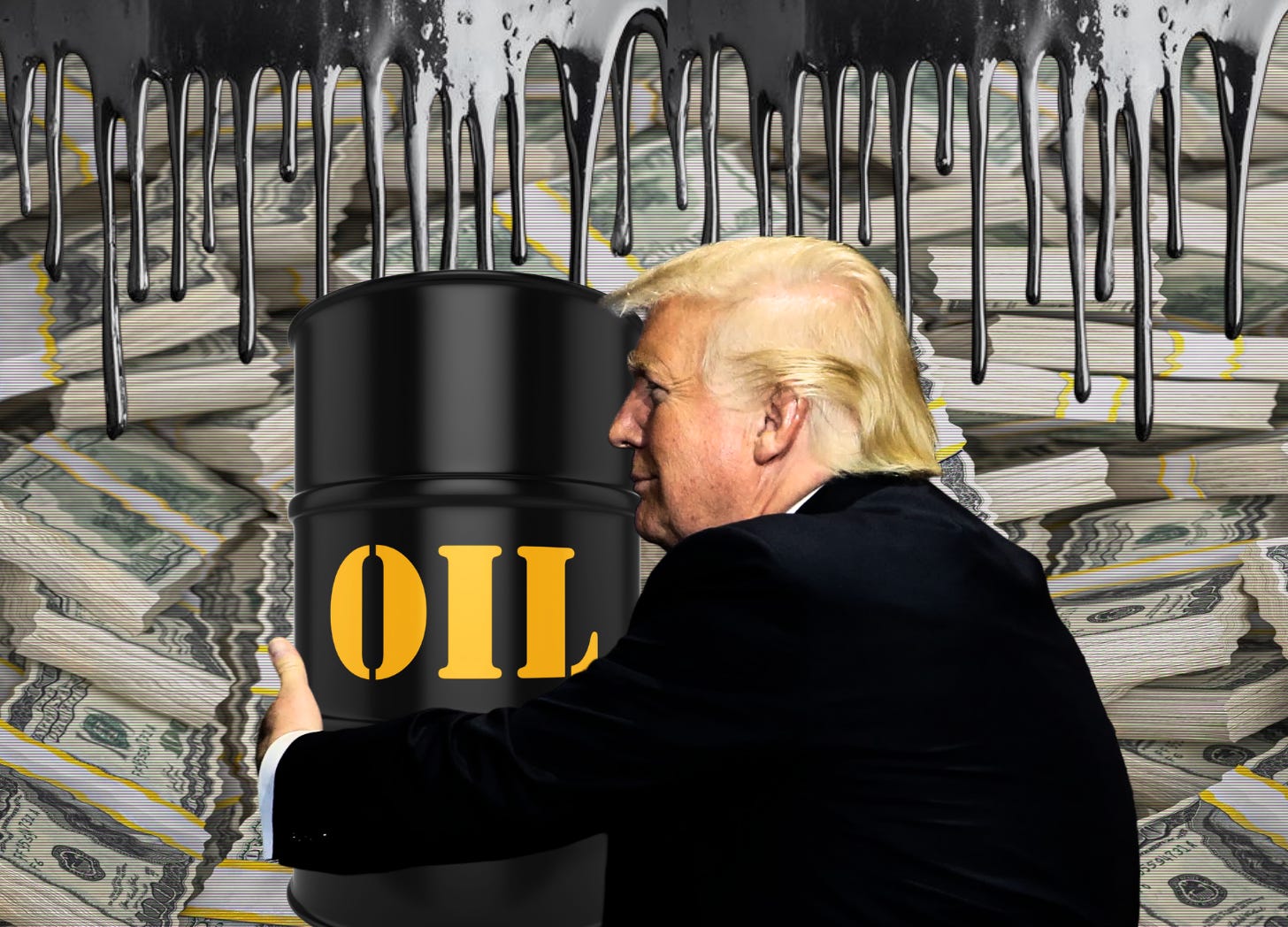
Something is starting to line up in a way that deserves closer scrutiny. And to be clear from the outset, I am not someone who defaults to conspiracy thinking. Motive alone is not enough. Coincidences happen. Bad policy decisions happen.
But when multiple major geopolitical moves begin pointing in the same direction, it is worth asking harder questions.
The Strait of Hormuz and global oil pressure
The Strait of Hormuz is one of the most important chokepoints in the global energy system. A significant portion of the world’s oil supply passes through that narrow passage.
When that flow is disrupted, even partially, the effects are immediate. Prices rise. Markets tighten. Countries that rely on imported energy begin scrambling to secure alternative sources. It does not matter whether the United States itself relies heavily on that specific oil route. Oil is a global market and disruptions anywhere ripple everywhere.
So when there is talk of blocking or closing the Strait of Hormuz, the expectation is not subtle. It means volatility and higher prices. It also means leverage.
Trump’s stated logic
What is striking here is not just the potential disruption, but how Donald Trump is framing it.
In discussing the situation publicly, Trump has not limited his comments to national security, Iran, or regional stability. He has also emphasized something else: the opportunity to sell more American oil.
The logic, at least on the surface, is straightforward. If a major global supply route is constrained, demand shifts elsewhere. Countries still need oil. If they cannot get it from one source, they will look for another. The United States becomes a more attractive supplier.
That alone would already be a significant economic consequence of geopolitical action.
The Venezuela piece
Now layer in what happened earlier with Nicolás Maduro and Venezuela.
According to the framing in the transcript, U.S. action led to the removal of Maduro and the destabilization of the Venezuelan government. In the aftermath, control over substantial Venezuelan oil resources shifted into American hands.
Trump himself has highlighted the scale of that oil. Tens of millions of barrels. Not a marginal amount.
So now you have two developments happening within a relatively short window.
First, The United States gains access to a significant new oil supply through Venezuela.
Second, the administration pursues actions that would disrupt one of the largest competing global oil routes.
Individually, each of these events is consequential. Together, they start to form a pattern that raises questions.
When the incentives align
Here is where the situation becomes difficult to ignore.
You have newly controlled oil supply from Venezuela. At the same time, actions in the Middle East create conditions that drive global oil prices higher and restrict alternative supply routes.
That combination does something very specific. It increases the value of the oil now under American control. It also increases demand for it.
If you are a country suddenly facing higher prices and reduced access through the Strait of Hormuz, and the United States is offering oil, the economic pressure to buy that oil becomes significant.
This is not speculation about abstract motives. This is basic supply and demand.
Coincidence or something more
It is still possible that this is all coincidental. Policy decisions can intersect in ways that produce unintended outcomes. That happens.
But the alignment here is unusually clean.
The same administration that gains access to a large oil supply is also involved in actions that constrain global supply elsewhere and push prices upward. The benefit of that alignment is not theoretical. It is immediate and measurable.
Again, I am not suggesting that motive alone proves intent. It does not. But when motive is paired with a sequence of events that consistently reinforces that motive, it becomes harder to dismiss.
At minimum, this is a situation that deserves serious attention rather than reflexive dismissal.
Because if these moves are connected, even partially, then what we are looking at is not just foreign policy. It is market engineering on a global scale, with enormous economic consequences.
And if it is not connected, then the alternative explanation is that a series of extraordinarily high-stakes decisions just happen to benefit the same outcome.
You can decide for yourself how plausible that is.
We’re reaching over 150 million people every month across YouTube, podcasts, Substack, and beyond. But algorithms can change. Platforms can fold. And when that happens, this newsletter is how we stay connected.
If you’re not yet a paid subscriber, please consider joining.
If you’re already paid on one platform, consider supporting us on both Substack and our website.
You can subscribe on our website and right here on Substack.
And if you’re really on fire, consider gifting a subscription—we’ve got thousands on our waiting list ready to read, watch, and fight back.
Let’s keep building.
—David
PS: Can’t contribute right now? No problem. You can support us for free by subscribing on YouTube, listening to our audio podcast on Spotify or Apple Podcasts, or become a free subscriber to this very Substack. Every bit counts.
We shouldn't forget trump's pre-election meeting with the largest oil producers at mar-a-largo where he asked them for a very large contribution to his campaign in exchange for undisclosed " benefits". Well here they are. More American owned oil companies not only getting HUGE subsidies but now expanded access to new customers.
Why does it take the media so long to come out with something so obvious to me! I have been posting about this for months! Why isn’t this on the front page of every major media outlets in the USA?