

Before you leave an angry comment, hear me out.
For years, Democrats have been stuck in a battle between two competing visions of what the left should become.
One vision says the answer is to be pragmatic, govern competently, avoid unnecessary controversy, and trust that voters will reward responsible leadership.
The other says the system is fundamentally broken, compromise is weakness, and anyone who isn’t fully aligned on every issue is part of the problem. Purity tests become the standard, ideological gatekeeping replaces persuasion, and politics turns into an endless competition over who can sound the most uncompromising.
I don’t believe either of those approaches represents the future of the left. In fact, I think we’ve already seen both of them fail in different ways. If Democrats want to build a durable governing majority and actually defeat Trumpism, they need to stop arguing over which version of a losing strategy deserves another chance.
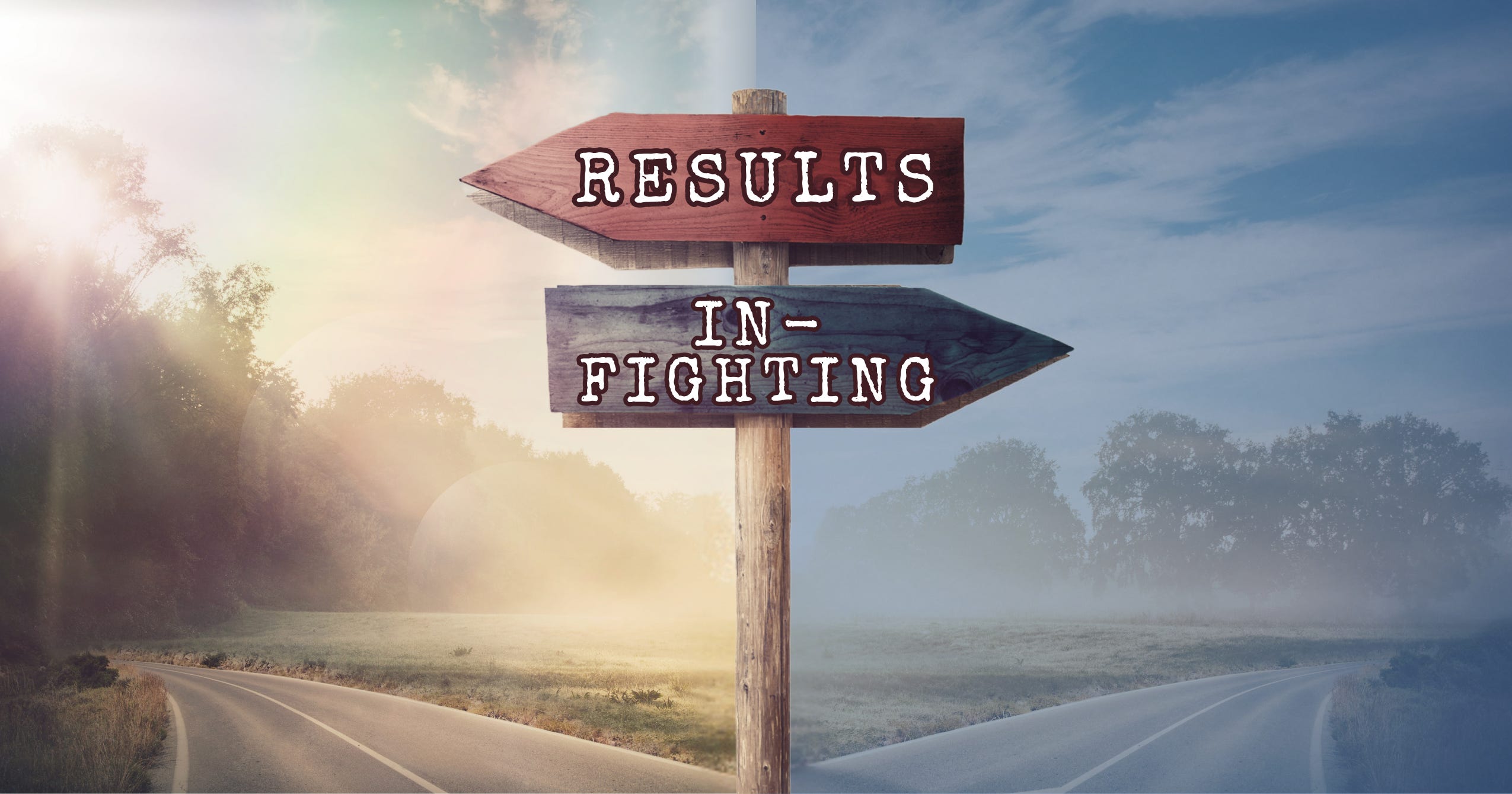
Why the center-left stopped working
Let’s start with the center-left.
For decades, the center-left largely embraced a straightforward theory of politics: govern responsibly, expand opportunity around the margins, avoid unnecessary ideological battles, and voters will reward steady leadership.
That approach produced real accomplishments. Many center-left governments managed the economy competently and passed worthwhile legislation. But over time, competence by itself stopped feeling like enough.
Millions of Americans looked around and asked a very reasonable question: why does it still feel like I’m falling behind?
Housing became less affordable year after year. Healthcare costs continued climbing. College tuition exploded. Corporate consolidation accelerated regardless of who occupied the White House. Young people increasingly stopped believing they would enjoy the same or better standard of living than their parents did.
That wasn’t because the center lacked good intentions. In many cases, it governed responsibly. But somewhere along the way it stopped offering people a compelling vision of a significantly better future.
Stability is valuable, but stability without meaningful progress eventually stops inspiring people. Voters don’t simply want politicians to manage decline more competently. They want to believe tomorrow can actually be better than today.
The activist left made a different mistake
The activist left started from a number of observations that I believe are correct.
Corporate power really is too concentrated. Workers deserve stronger bargaining power. Climate change is an existential challenge. Those aren’t fringe ideas to me. They’re legitimate concerns that deserve serious policy solutions.
But somewhere along the way, persuasion gave way to purity. Instead of focusing on coalition building, parts of the activist left embraced ideological gatekeeping. Politics became less about assembling enough people to govern and more about proving who was morally pure enough to belong.
The emphasis shifted toward symbolic victories and ideological performance instead of asking the practical question that determines whether any movement succeeds: how do we build a governing majority? Republicans were more than happy to encourage those debates because they understood that every hour Democrats spent arguing among themselves was an hour they weren’t talking about housing costs, wages, healthcare, or corporate monopolies.
The assumption that people who disagreed weren’t merely mistaken but fundamentally immoral became deeply damaging. It made persuasion more difficult and coalition building almost impossible.
A different path forward
Most Americans aren’t waking up wondering whether their political tribe won yesterday’s argument on social media.
They’re wondering whether they’ll ever be able to buy a home. Whether raising children will remain financially possible. Whether they can retire someday, or whether one unexpected medical bill will throw their finances into chaos.
Those are the questions that actually determine elections. People want dignity and security. They want to know that if they work hard, they’ll be able to build a decent life for themselves and their families.
That’s why I don’t believe the future belongs to either cautious centrism or performative revolutionary politics.
I believe the future is social democracy.
That doesn’t mean socialism, and it certainly doesn’t mean unrestrained laissez-faire capitalism. It means embracing markets, entrepreneurship, innovation, and competition while recognizing that government has an essential role in making sure prosperity is broadly shared.
It means universal healthcare. Strong labor protections and healthy unions. Affordable housing. Aggressive antitrust enforcement against monopolies. Paid family leave. Wage growth that consistently outpaces inflation. A tax system that expects billionaires to contribute proportionally to their extraordinary wealth.
None of that is some radical experiment. In fact, when you look around the world at countries with the highest standards of living, healthier populations, stronger social mobility, and happier societies, they generally aren’t practicing pure free-market capitalism. They also aren’t socialist economies. Many of them have adopted versions of exactly this model.
The best way to defeat Trumpism
There’s another reason I think this matters.
Trumpism thrives when politics revolves around grievance, outrage, identity, and culture wars. It becomes much more difficult for movements like that to dominate when the political conversation centers on affordable housing, childcare, prescription drug costs, retirement security, wages, and concentrated corporate power.
The left doesn’t need to become more cautious, and it doesn’t need to become more radical. It needs to become more effective.
Instead of asking how to satisfy the loudest activists or how to avoid offending every possible swing voter, Democrats should be asking a much simpler question: how do we materially improve life for ordinary Americans?
If they can answer that question consistently and convincingly, I think they don’t just win elections. I think they also begin stripping away much of what gives Trumpism its political energy in the first place.
So I’m curious what you think. Has the Democratic Party spent too much time arguing over ideology instead of focusing on improving people’s everyday lives, or do you think one side of this debate has actually gotten it right? Let me know where you land in the comments.
We’re reaching over 150 million people every month across YouTube, podcasts, Substack, and beyond. But algorithms can change. Platforms can fold. And when that happens, this newsletter is how we stay connected.
If you’re not yet a paid subscriber, please consider joining.
If you’re already paid on one platform, consider supporting us on both Substack and our website.
You can subscribe on our website and right here on Substack.
And if you’re really on fire, consider gifting a subscription—we’ve got thousands on our waiting list ready to read, watch, and fight back.
Let’s keep building.
—David
PS: Can’t contribute right now? No problem. You can support us for free by subscribing on YouTube, listening to our audio podcast on Spotify or Apple Podcasts, or become a free subscriber to this very Substack. Every bit counts.
I agree wholeheartedly with your approach for the Democratic Party. I hope they read your comments and take them seriously. Dems are loosing support and membership by not addressing the core issues of living. What a missed opportunity for them!
For years I've said I'm sick of each party telling me why the other sucks. How about talking about what your plan is for making life better for the majority of Americans? What you're going to do and more importantly, HOW are you going to achieve it? Hopefully Ds finally hear this message and run on a more positive message in the future.