

Before we get into it: if you’re receiving this via email, thank you. You’re already subscribed. If you’re not, now is the time.
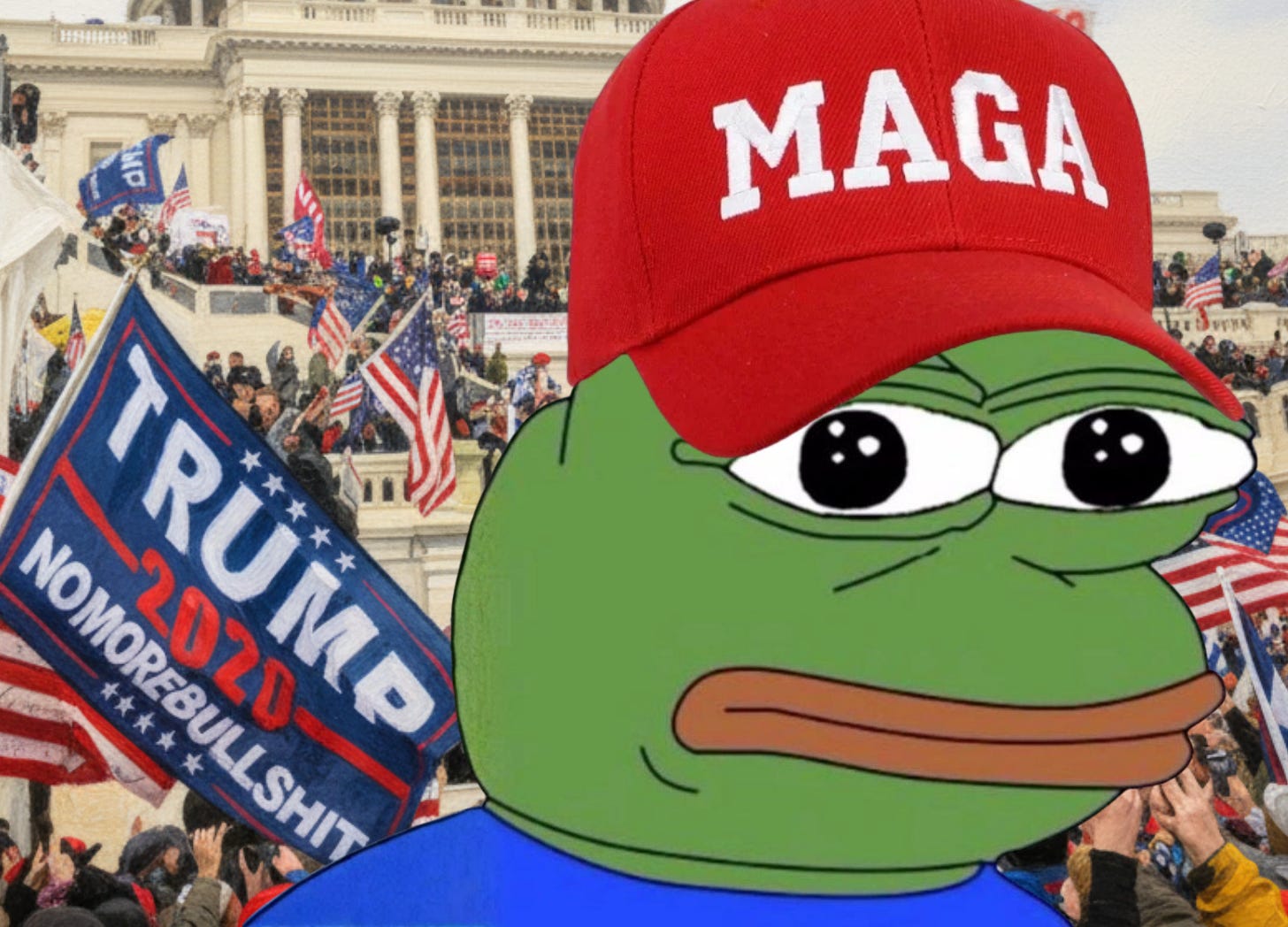
We talk a lot about the radicalization of adults — your uncle who fell into QAnon, or your high school classmate who suddenly believes in chemtrails. But the next big wave of right-wing converts isn’t happening on Facebook. It’s happening on YouTube, Twitch, and Discord.
And it’s targeting someone you might not expect: your little brother.
The Digital Gateway Drug
If you’ve spent any time watching gaming or meme content on YouTube, you’ve probably seen how the algorithm works. You start with harmless stuff like Minecraft tutorials, Call of Duty highlights, maybe a funny meme compilation. But the algorithm doesn’t care about your civic health. It cares about engagement.
So if a clip from a gaming YouTuber happens to feature a “joke” about feminism, or a rant about how “you can’t say anything anymore,” and that gets comments and likes, the algorithm learns that controversy = clicks.
And just like that, your 13-year-old cousin who wanted to learn a Fortnite strategy is now getting “recommended” videos about “how the woke mob is destroying gaming.”
It’s not an accident. It’s a pipeline.
The Next Trump Voter Might Be a YouTuber’s Little Brother
This process is often subtle & almost invisible. Right-wing influencers have figured out that overt politics doesn’t sell to kids. But comedy does. So they hide their ideology behind irony and memes.
First it’s “haha, feminists are cringe.” Then it’s “haha, liberals are ruining everything.” And before long, “haha” disappears, and it’s just “liberals are ruining everything.”
Creators like Sneako, Andrew Tate, and countless smaller copycats package their politics as personality. They sell the idea that they’re rebellious truth-tellers standing up to “the establishment.” But the message is the same one we’ve seen since the rise of Trump: grievance, victimhood, and fear of cultural change.
The difference is that now it’s delivered through the language of gaming, memes, and masculinity. And the algorithm makes it too easy to indulge on, especially to vulnerable parties.
Algorithms Don’t Care About Politics
This isn’t some grand conspiracy. No one at YouTube HQ sat down and decided to radicalize teenagers. It’s much more simple and scarier than that.
Algorithms are designed to maximize engagement. That’s it. If an outrage clip keeps a viewer on the platform longer than a regular video, it gets promoted. If a creator learns that culture-war content boosts their numbers, they’ll make more of it.
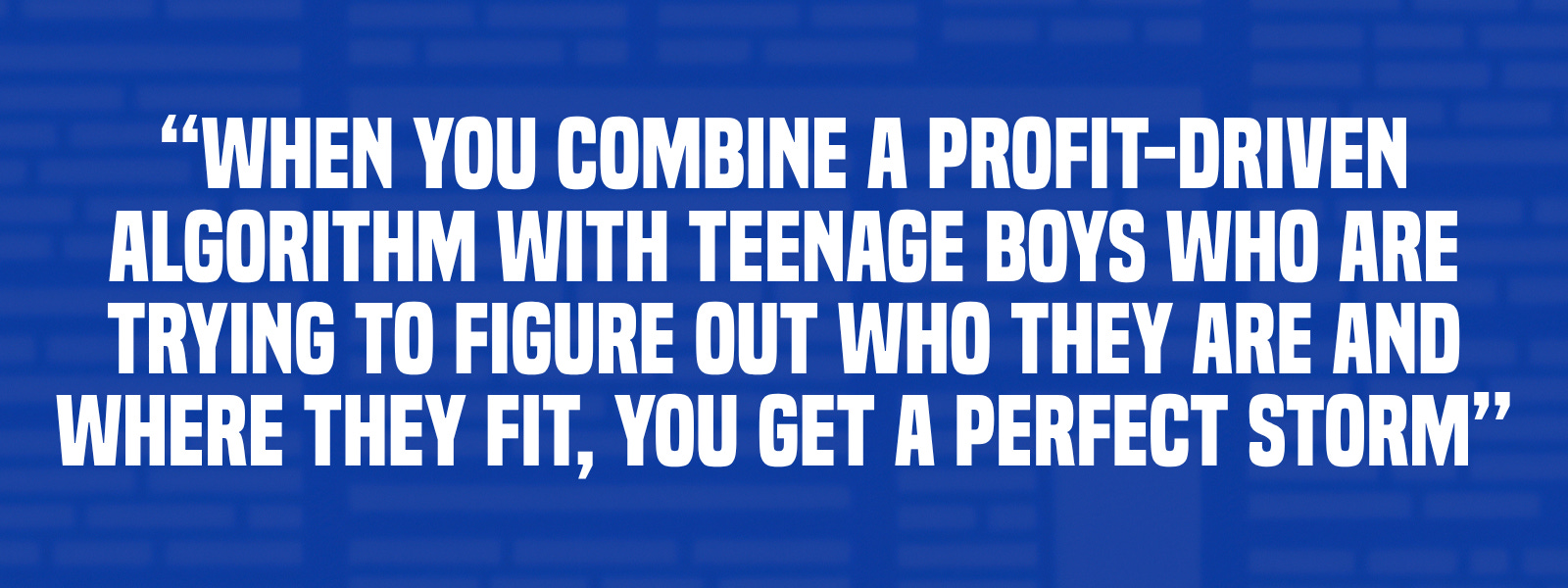
And when you combine a profit-driven algorithm with teenage boys who are trying to figure out who they are and where they fit, you get a perfect storm. The same psychological factors that make games addictive, including dopamine loops and rewards for attention, make radical content addictive too.
By the time these viewers realize what they’ve been fed, their worldview has already shifted.
Parents Are Losing the Battle They Don’t Know Exists
Ask most parents what their kids are watching online, and they might say, “Oh, he’s just watching gamers.” But few parents realize those gamers might also be giving daily political sermons disguised as jokes.
Here’s the kicker: by the time a parent notices, it’s often too late. A kid who’s spent two years watching content mocking “social justice warriors” or “blue-haired libs” doesn’t see himself as political. He sees himself as a truth-teller and a free-thinker, just like the influencers he follows.
That’s what makes this different from past waves of propaganda. It’s not being sold as politics at all. Instead it’s being sold as personality, humor, and belonging.
What Can Be Done?
There’s no easy fix here, but there are clear steps we can take.
Media literacy education. We teach kids how to write essays, but not how to interpret an algorithm. Understanding how recommendation systems work is now a basic life skill. This is highly important. Rage bait and controversy clicks are not going anywhere, they’ll just get more advanced.
Platform accountability. Companies like YouTube and TikTok can’t keep pretending their algorithms are neutral. They shape political outcomes, whether they intend to or not.
Alternative voices. Progressive creators have to meet young audiences where they are: on the same platforms, with content that’s just as engaging but grounded in reality. The right understood this years ago, but he left still hasn’t caught up.
The Stakes
If you’re wondering how we ended up with a generation of angry 18-year-olds who think Jordan Peterson is a philosopher, this is how.
They didn’t find the far right. The far right found them. And they used comedy, gaming, and algorithms.
If we keep ignoring it, we’ll keep waking up every election cycle wondering why millions of young men are voting like they’re in the comments section of a livestream.
The next Trump voter might not be your dad.
It might be your little brother — and he might not even know why.
We’re reaching over 150 million people every month across YouTube, podcasts, Substack, and beyond. But algorithms can change. Platforms can fold. And when that happens, this newsletter is how we stay connected.
If you’re not yet a paid subscriber, please consider joining.
If you’re already paid on one platform, consider supporting us on both Substack and our website.
You can subscribe on our website and right here on Substack.
And if you’re really on fire, consider gifting a subscription—we’ve got thousands on our waiting list ready to read, watch, and fight back.
Let’s keep building.
—David
PS: Can’t contribute right now? No problem. You can support us for free by subscribing on YouTube, listening to our audio podcast on Spotify or Apple Podcasts, or become a free subscriber to this very Substack. Every bit counts.
very important points David, thanks so much for continuing to shed a light on things mainstream media ignores (at their own peril). 🙏
Good topic. Thanks David.