

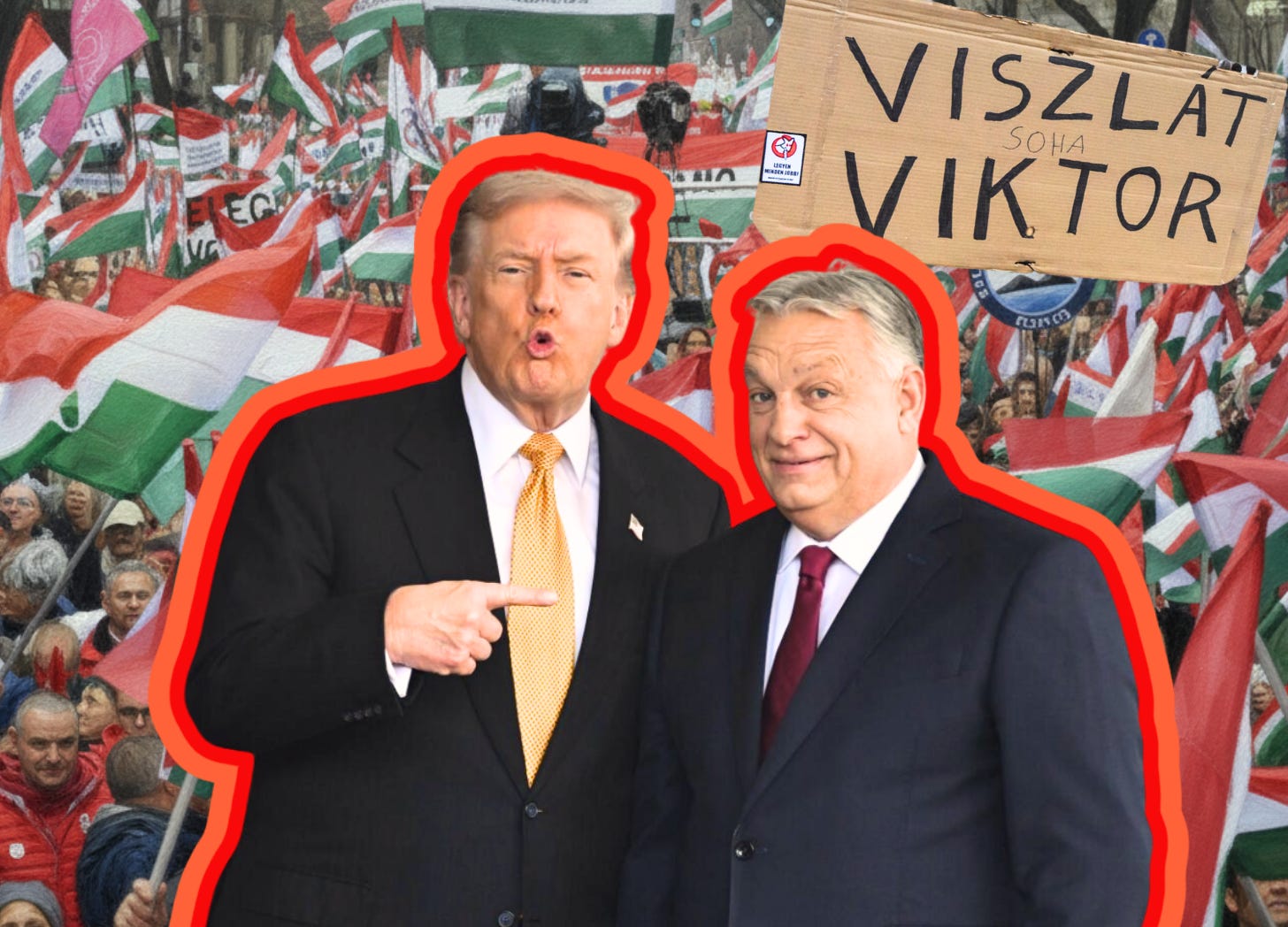
The fascists eventually lose. And what just happened in Hungary should have the American right paying very close attention.
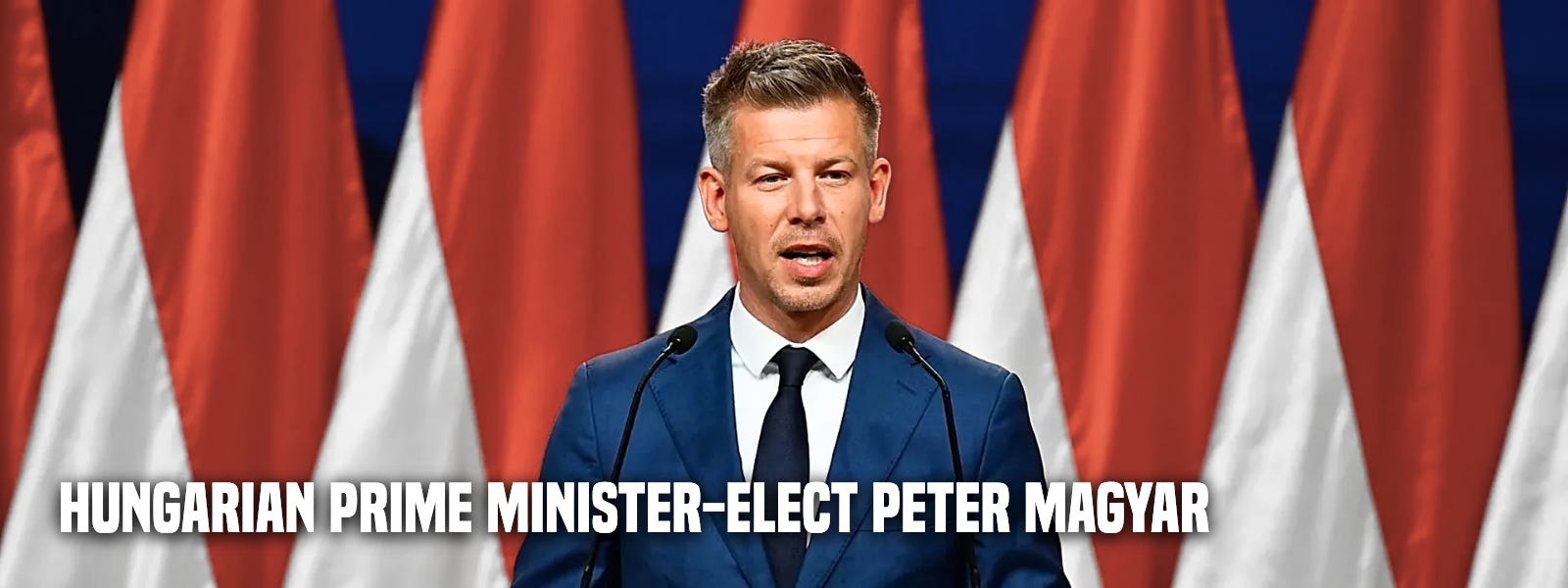
After 16 years in power, Viktor Orbán was not narrowly defeated. He was crushed. The loss was decisive, and the candidate who beat him, Péter Magyar, is now on track for a two-thirds parliamentary supermajority.
That is not just a loss. That is a complete collapse of a political system that had been carefully engineered to sustain one man’s power.
And if you think this has nothing to do with the United States, you are missing the point.
How “permanent power” breaks
Orbán was not a vulnerable leader barely holding on. He spent more than a decade reshaping Hungary’s institutions in ways that favored his continued rule.
Courts were aligned. Media ecosystems were influenced. Political power became increasingly centralized. For years, Orbán was held up by many on the global right as proof that a kind of modern authoritarianism could work inside a nominal democracy.
That is exactly why this result matters.
Because systems like this are supposed to be durable. They are designed to feel inevitable. The message to citizens is simple: this is how things are now, and nothing is going to change it.
Until it does.
What we saw in Hungary is something we have seen historically, but often forget in real time. Authoritarian-leaning systems can appear stable for long stretches. Then the public mood shifts, and when it does, the collapse can be sudden and overwhelming.
The limits of fear politics
Orbán’s political strategy will sound familiar to American audiences.
It centered on fear: fear of migrants, fear of cultural decline, and fear of outsiders. A constant narrative that the country was under threat and only one leader could protect it.
For a while, that works.
But eventually, voters start asking different questions.
What is happening with the economy? Why are living conditions not improving? Why does corruption seem so widespread?
These are the questions that fear-based politics struggles to answer.
And once voters begin focusing on their actual material conditions rather than the perceived threats they have been told to fear, the political dynamic changes very quickly.
That is what happened in Hungary.
The campaign that won
Magyar did not simply replace one set of fears with another. He did not run a campaign based on a new scapegoat.
He focused on economic stagnation, corruption, and quality of life. These are issues people feel in their day-to-day lives.
When that message broke through, the result was not close.
This is an important lesson, particularly for Democrats in the United States. Voters will engage with policy arguments when those arguments connect directly to their lived experience. When they do, even deeply entrenched political systems can be disrupted.
Why this matters for Trump
Donald Trump has openly admired Orbán and has pointed to Hungary as a model.
The overlap is not subtle. There have been attacks on institutions, constant efforts to discredit media, and a heavy reliance on defining political enemies and directing attention toward them.
The argument has always been that this model works. That it is a sustainable way to maintain power.
But the election in Hungary challenges that assumption.
A system that looked stable, even entrenched, was undone through an election. Not through revolution or even external intervention. It happened through voters showing up and deciding they wanted something different.
What it means, and what it doesn’t
None of this means the same outcome is guaranteed in the United States.
There are still elections to get through. Political conditions are different. The timelines are different.
But what it does mean is that the idea of permanence is an illusion.
Even systems that appear locked down can break. Even leaders who seem untouchable can lose. But it requires something specific: sustained public engagement and a shift in what voters prioritize.
When the narrative stops working
At a certain point, voters begin to question the narrative they have been given.
If you are a working person and your economic situation is not improving, you start to wonder why so much of your political attention has been directed elsewhere.
You start asking why you have been told to focus on immigration, or crime, or cultural threats, when your day-to-day concerns are about prices, wages, and stability.
That shift does not happen all at once. But when it does happen, it is very difficult to reverse.
And when enough people make that shift at the same time, the political consequences can be dramatic.
Where this is headed
Hungary is not the United States. But it is a case study in how these systems rise and how they fall.
Orbán’s defeat is a reminder that even long-standing political dominance can be undone when voters decide the promises are not being kept and the priorities are misplaced.
For those watching American politics, the takeaway is not complacency. It is the opposite.
If change is going to happen, it will not come from inevitability. It will come from participation, from engagement, and from a shift in what voters demand from their leaders.
What Hungary shows is that the switch can flip.
The question is whether and when it flips here.
We’re reaching over 150 million people every month across YouTube, podcasts, Substack, and beyond. But algorithms can change. Platforms can fold. And when that happens, this newsletter is how we stay connected.
If you’re not yet a paid subscriber, please consider joining.
If you’re already paid on one platform, consider supporting us on both Substack and our website.
You can subscribe on our website and right here on Substack.
And if you’re really on fire, consider gifting a subscription—we’ve got thousands on our waiting list ready to read, watch, and fight back.
Let’s keep building.
—David
PS: Can’t contribute right now? No problem. You can support us for free by subscribing on YouTube, listening to our audio podcast on Spotify or Apple Podcasts, or become a free subscriber to this very Substack. Every bit counts.
When Trump campaigned in 2024 he accused the UK of interfering in the election. So how come Vance was in Hungary campaigning for Orban???
All you fascists bound to lose!!