

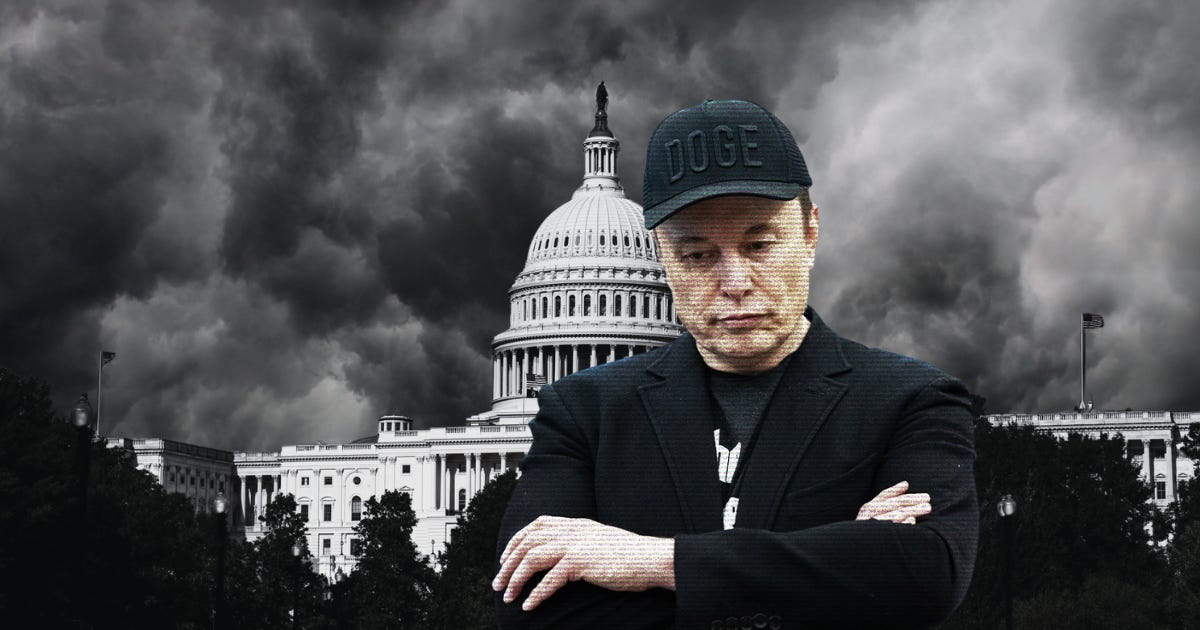
Elon Musk just learned a very expensive lesson about American elections. Apparently, being one of the richest people on Earth doesn’t guarantee that voters will do what you want.
According to reports, Musk spent approximately $474 million supporting Republican candidates and conservative causes during the midterms. And what did he get for it? Democrats won the House and Senate, while Republicans suffered major defeats in races Musk had invested heavily in.
The results were apparently embarrassing enough that Musk began deleting election-related posts from X, including one encouraging Americans to vote Republican.
There is something amusing about spending nearly half a billion dollars trying to influence an election, watching your preferred candidates lose, and then quietly deleting your endorsements. But beyond the humiliation, the results raise serious questions about Musk’s political influence and his relationship with the federal government.
Texas delivers a devastating blow
One of the most remarkable developments came from Texas, where Musk has relocated major business operations and actively supported Republican politicians.
Despite those efforts, Republicans suffered stunning defeats. Ken Paxton lost his Senate race to Democrat James Talarico, while Governor Greg Abbott lost his reelection bid to Democratic challenger Gina Hinojosa.
The results were so significant that Florida Governor Ron DeSantis described them as an “extinction-level event,” warning that Republicans would be in serious trouble if they could no longer reliably count on Texas.
For Musk, who spent heavily supporting Republican candidates, the outcome was especially humiliating. His political spending, public endorsements, and enormous online platform were insufficient to deliver the results he wanted.
But the consequences for congressional oversight deserve considerably more attention.
Musk’s government relationships deserve scrutiny
For much of Trump’s second administration, Musk occupied an extraordinarily unusual position. He controlled companies receiving billions of dollars in federal business while simultaneously exercising influence within the government through the Department of Government Efficiency, better known as DOGE.
That arrangement should have raised serious questions from the beginning. Musk was involved in an initiative tasked with identifying waste, fraud, and abuse within the same federal government that maintained substantial financial relationships with his businesses.
With Democrats now controlling Congress, there is an opportunity to examine exactly what happened.
Congressional investigators should subpoena relevant records, review DOGE’s decisions, and determine whether Musk or his companies benefited financially from any actions taken by the initiative. Were there conflicts of interest? Were procurement rules followed? Was sensitive government information handled appropriately?
We should not assume Musk committed crimes simply because we disagree with his politics. Investigations should follow the evidence, and criminal charges should require actual violations of the law.
That is the standard Republicans have repeatedly demanded when calling for investigations into Democrats. Musk’s wealth and political connections should not exempt him from that same process.
Starlink, Epstein, and federal contracts
Another area deserving scrutiny involves SpaceX and Starlink, particularly their role in Ukraine’s defensive war against Russia. Initial reports suggested Musk had switched off Starlink during a proposed Ukrainian attack on Russia’s Black Sea Fleet near Crimea. Subsequent reporting clarified that coverage had never been enabled in that area, and Musk refused Ukraine’s request to activate it. That raises serious questions about why one billionaire can make decisions involving communications infrastructure that could influence the course of a war.
There are also legitimate questions surrounding Musk’s public statements about Jeffrey Epstein and his relationships with powerful individuals. Knowing Epstein does not establish criminal wrongdoing, but credible evidence deserves examination regardless of wealth or political connections.
Then there are Musk’s federal contracts. SpaceX and his other companies maintain substantial government relationships, and Congress should examine whether taxpayers are receiving appropriate value, procurement rules were followed, and political connections influenced any decisions.
If contracts are legitimate and necessary, they should continue. If investigators uncover legal violations or legitimate financial reasons for termination, those contracts should be reconsidered.
I do not want Democrats engaging in the same politically motivated retaliation I have criticized Trump for pursuing. The goal should be genuine accountability based on evidence, with consistent legal standards applied to everyone.
The limits of billionaire influence
For years, Musk has enjoyed extraordinary access to powerful people in the federal government. He has used his wealth to influence elections, his social media platform to promote political causes, and his business relationships to maintain a significant presence in government operations.
Now the political environment has changed.
Democrats control Congress, Republican candidates Musk supported have suffered major defeats, and congressional committees will have new opportunities to investigate his government relationships.
The irony is difficult to ignore. Musk reportedly spent $474 million trying to shape the political future of the country, only to help usher in a Congress that may now investigate his own conduct and business dealings.
There is an important lesson here about the limits of political spending. Billionaires can purchase advertising, fund political organizations, and even own major social media platforms. But they cannot guarantee that voters will agree with them.
Democrats now have an opportunity to demonstrate what legitimate congressional oversight should look like. That means examining government records, conducting transparent investigations, and pursuing consequences if actual wrongdoing is established.
After years of enjoying remarkable political access and influence, Musk may finally have to answer some very uncomfortable questions.
What do you make of all of this? I'd be interested to hear your thoughts on Musk's political spending, his government relationships, and what happens next.
We’re reaching over 150 million people every month across YouTube, podcasts, Substack, and beyond. But algorithms can change. Platforms can fold. And when that happens, this newsletter is how we stay connected.
If you’re not yet a paid subscriber, please consider joining.
If you’re already paid on one platform, consider supporting us on both Substack and our website.
You can subscribe on our website and right here on Substack.
And if you’re really on fire, consider gifting a subscription—we’ve got thousands on our waiting list ready to read, watch, and fight back.
Let’s keep building.
—David
PS: Can’t contribute right now? No problem. You can support us for free by subscribing on YouTube, listening to our audio podcast on Spotify or Apple Podcasts, or become a free subscriber to this very Substack. Every bit counts.
This better happen is all I have to say.
Who the Hell does this Musk think he is? No you pay taxes like the rest of us and then we’ll set up all your companies you have getting out of paying taxes and make them pay. Let’s remember this is for the country, not for the wealthy. Greed can go with trump, he can rule on Epstein Island only.